Showing posts with label hotels. Show all posts

Thursday, October 2, 2014

Wintering in Olympic National Park


Olympic National Park in the northwestern corner of Washington might not appear on too many winter vacation agendas, but it’s the season when the park shows its more dramatic side. Sure,
Ruby Beach
you’ll run into wet weather, but the payoff in solitude and tranquility is worth it. There’s snow in the mountains, wild waves along the beaches, and the rainforests are never greener.
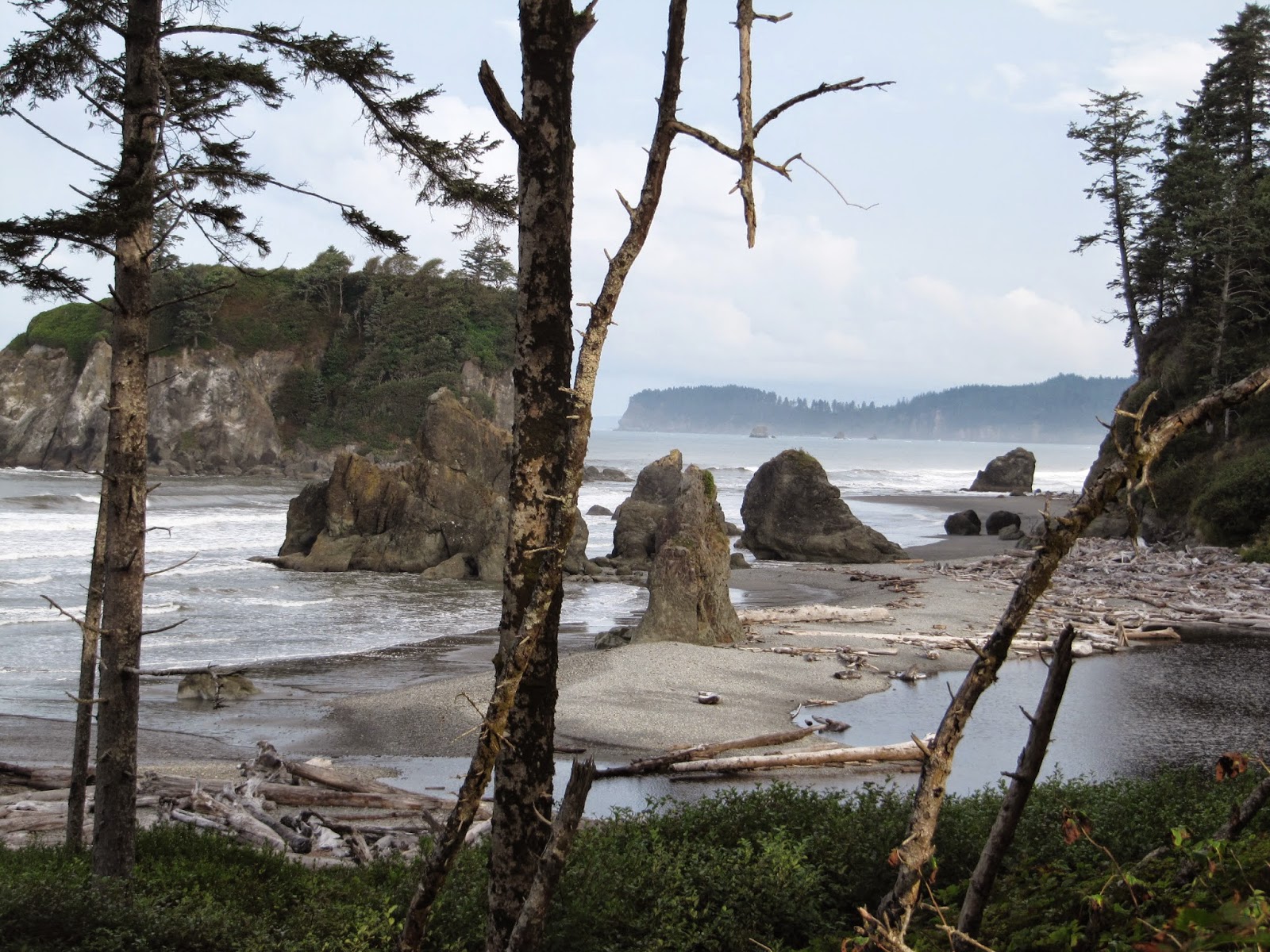
Most of the winter sporting activity is centered at Hurricane Ridge with skiing, cross-country, snowshoeing, and sledding. The road is open on weekends only (weather permitting) and all cars are required to carry chains. On the other hand, the lower altitudes in the park including the rainforests and beaches, receive only occasional snow but plenty of the damp stuff.  The wet season brings out the green lushness of the mosses and lichens making a hike through the Hoh or Quinault rainforests a drippy, but beautiful experience.  Pacific Ocean storms blow through frequently delivering spectacular waves for storm-watching and beachcombing along the coast.

Lake Crescent Lodge
One of the major highlights of a winter visit to the park is enjoying the indoor comforts of the lodges. While booked full in the busy summer months, reservations are much easier to obtain and the prices are reduced during the winter season. Sol Duc Hot Springs Resort is closed during the winter, but Lake Crescent Lodge is open until December 31, and Lake Quinault and Kalaloch Lodges are open year round.

Lake Crescent Lodge dates back to 1916, and enjoys an idyllic setting on the shores of a glacier-carved lake ringed with forests and mountains, about 18 miles west of Port Angeles. The Main Lodge features a lobby with a stone fireplace, a cozy sunroom, a wood-paneled dining room overlooking the lake, and rooms on the second floor with great views, but shared bathrooms.  The property offers a variety of other accommodations to choose from including the historic Singer Tavern Cottages and the Roosevelt Cabins as well as more modern motel-like rooms.
Sunroom, Lake Crescent Lodge
The Roosevelt Cabins are especially popular with guests because of their lakeside setting and fireplaces. While the rest of the lodge closes at the end of the year, these cabins remain open on weekends-only throughout the winter season. 


Kayaks awaiting summer guests at Lake Crescent
 

Further south and just outside the park boundary is another rustic, lakeside inn, Lake Quinault Lodge. Built in 1926 by the same architect who designed Old Faithful Lodge in Yellowstone, it has an expansive front lawn leading down to the lake and a warm and inviting lobby with a large brick fireplace.  In addition to rooms in the main lodge, there is a more modern building with an additional 36 rooms as well as an indoor pool and sauna.
Lake Quinault Lodge
The lodge’s dining room is named after Franklin Roosevelt who lunched here in 1937. He must have enjoyed the meal and view as he signed the bill creating Olympic National Park only a few months later. Winter specials offer room rates equivalent in price to the average Motel 6.


Lobby, Lake Quinault Lodge


Driftwood brought in during storms
The Pacific Ocean coast can be an exciting place in the winter when storms bring in blustery winds and crashing waves.  There’s no better place to enjoy the action than the Kalaloch Lodge, perched on a bluff on the west side of the park.  There are rooms in the wooden, rustic main lodge as well as cabins with fully stocked kitchenettes. The dining room, also open year round, serves up Northwest cuisine accompanied by a sweeping ocean view. With easy access to beaches, a winter visit means great beachcombing and storm-watching. To accommodate guests, the lodge offers a special Brave the Storm package that includes ponchos, hand warmers, hot chocolate, and peppermint  schnapps.

To learn more about rates and seasonal packages, or make reservations at Lake Crescent and Quinault Lodges, check out www.olympicnationalparks.com.  The Kalaloch Lodge website is www.thekalalochlodge.com.  It should be noted that these park lodges are not suitable for guests addicted to wifi, cell phones, and big screen tv. Instead, the simple pleasures of sitting in front of a roaring fire, curling up with a good book, or working a jigsaw puzzle prevail. When visiting the park during the winter months, it’s always prudent to check weather and road conditions in advance.

Friday, August 10, 2012

Hot Times at Hot Lake Springs

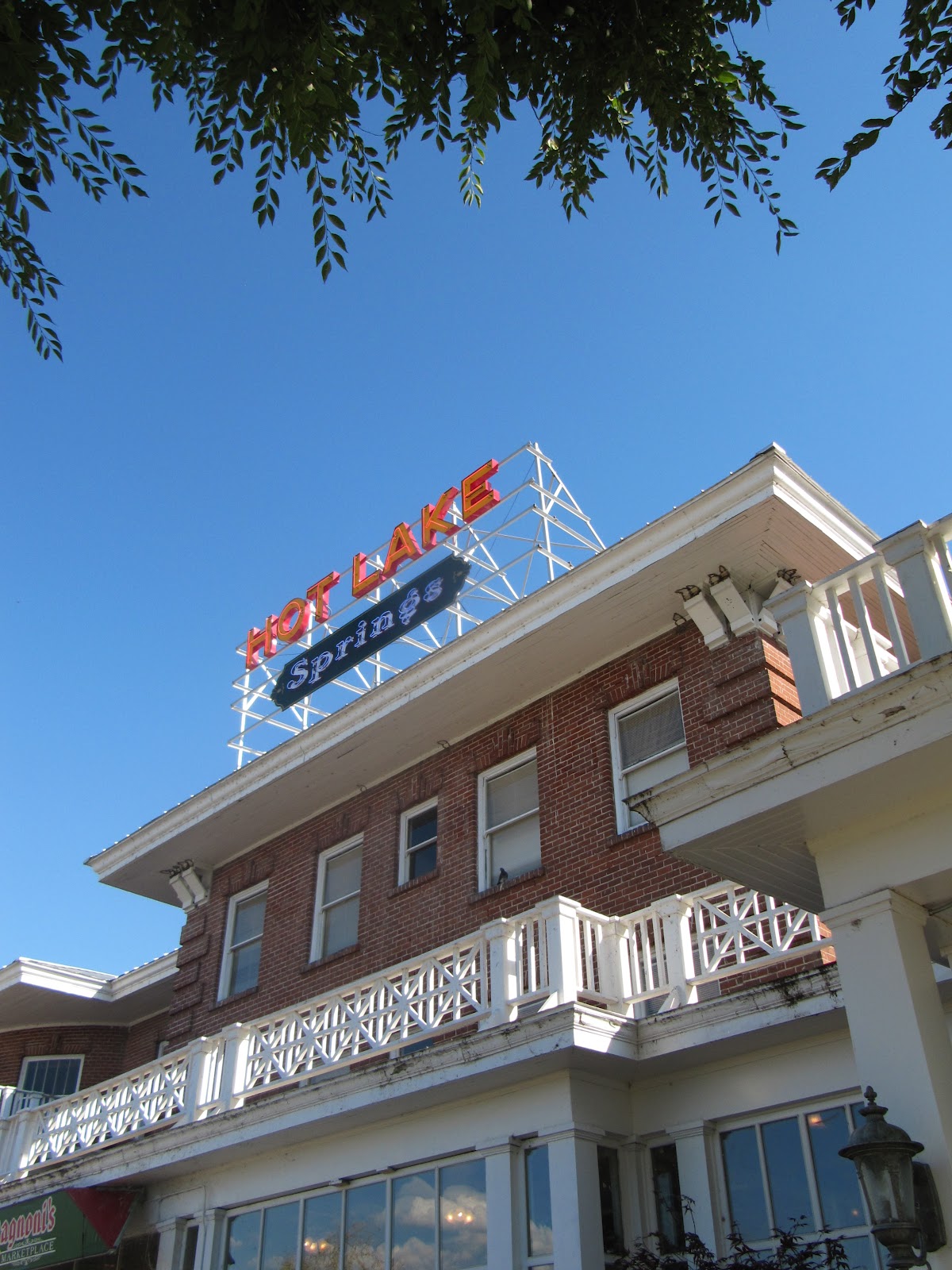
Hot Lake Springs
During the 1910s and 1920s it was the hottest spot in Oregon. Three daily trains from Portland brought hundreds of guests to “take the waters” at the Hot Lake Hotel and Sanitorium, a little southeast of La Grande. They would bathe in the hot mineral waters, soak in sulfuric baths, and wallow in mud from the lake’s sediment in an attempt to cure a variety of ills from rheumatism to syphilis.
Of course, it had always been a hot spot thanks to the 208-degree water that bubbles out of the ground creating a steaming, sulfurous lake. Native tribes knew about the water’s healing powers and considered the place holy ground. The first whites to enjoy the lake were fur trappers returning from Fort Astoria in 1812; later on, it was a welcome stopover for immigrants traveling the Oregon Trail.
In the 1860s, a number of wooden structures were built around the lake and, in 1908, a three-story brick hotel with hospital was added. The charismatic Dr. William Phy developed it into a state-of-the-art medical facility with labs, operating rooms, teaching hospital, and an innovative x-ray machine that seems more like a prop from a sci-fi horror film. It was often referred to as the Mayo Clinic of the West and attracted patients and spa seekers from all over the world.
Bathhouse and lake
In 1934, a fire destroyed the large wooden structure.  By then, Dr. Phy had died from pneumonia, the railroad was rerouted, the new highway bypassed the property, and the country had plunged into an economic depression. During World War II, it served as a training facility for nurses and later as a nursing home. Over time, the building fell into disrepair.  Vandals had broken all but two of the 360 windows, and looted the fixtures and marble tiles. Holes in the roof allowed water to damage floors and walls. Several attempts to save the structure failed and the future seemed grim for this piece of Oregon history.
At the same time, David Manuel was establishing a reputation as a renowned bronze sculptor and transforming the little town of Joseph in nearby Wallowa County into a noted art community.  He and his wife, Lee, frequently drove by the Hot Lake Hotel observing its sorry condition but also envisioning the property’s potential as a major tourist destination. In 2003 they sold off their interests in Joseph and bought the place. While the old hotel’s foundations were still sound, everything else was a mess and it would be a daunting and expensive task to restore it. Eight years, a lot of hard work, and over $12 million dollars later, Hot Lake Springs was back in business with its grand re-opening in August, 2011.
One of the B & B rooms
Twenty-two of the former hotel rooms have been transformed into a bed and breakfast. Since the rooms were decorated and furnished by local donors, no two are alike. There is a charming breakfast nook and an Italian restaurant on the premise as well as a theater, full service spa, indoor and outdoor soaking tubs. The Manuels also moved their bronze foundry to the site and guests can take a tour and watch a video describing the lost-wax casting process. Many of his pieces, mostly of wildlife and Western themes, are displayed in an on-premise art gallery. Manuel has maintained a long interest in Western art and history, especially Native American history, and a small museum contains an outstanding display of artifacts he has collected over the years.
Outside, there is an antique vehicle display, honor garden, and life-size bronze statue of “The Promised Land,” the same one that occupies Chapman Square in downtown Portland.
The Promised Land
To see more photos and artifacts from Hot Lake’s heyday, take a short drive south to the town of Union with its wonderful county history museum.  The display of medical apparatus and equipment used at the hospital will make you grateful to be living in the 21st century.
To make reservations or view the various rooms online, visit their website at www.hotlakesprings.com.  It is not necessary to be an overnight guest to enjoy the property and tour tickets are available at $10 for adults. This includes the history museum, bronze foundry (tours at 10:00 am and 2:00pm Monday through Saturday) and access to the grounds and indoor facilities.

Monday, February 28, 2011

Victoria: A Bit of Britain on the Pacific Coast

Where else can you go whale-watching in the morning and savor a proper high tea in the afternoon? Only in a spot where Mother Nature and a cosmopolitan city share the same place, and Victoria, BC, at the southern end of Vancouver Island, fits the description.
Getting there is part of the adventure and a good choice for those who want to leave their car at home is the Victoria Clipper, a ferry service out of Seattle’s Pier 69. Several daily departures offer comfortable seating, meal and beverage service, duty-free shopping and clean, but compact, restrooms. Huge picture windows provide excellent views of Whidbey and Bainbridge Islands, and the mountains on Washington’s Olympic Peninsula. The trip takes a little under three hours and docks at Victoria’s Inner Harbour within walking distance of several hotels and almost all the major attractions. While the town can be done as a long day trip, it’s much better to spend at least one overnight.
The Tourist Information Center on the north side of the Inner Harbor is a great place to begin a visit, and load up on advice, maps, and brochures. Most points of interest are in the Inner Harbour area, making Victoria an immensely walkable city. This part of town is the perfect place for strolling, people-watching, and enjoying the many street performers- musicians, mimes, jugglers, and comedian wannabes.


Impossible not to notice is the vine-covered, majestic Empress Hotel across Government Street from the visitor center. Built in 1908, the hotel is a throw-back to a more glamorous travel era when the Canadian Pacific Railroad brought travelers and businessmen across Canada in style to Victoria. Here, they stayed at the Empress (owned by the railway) before boarding the ocean liners (also owned by the railway) to sail westward across the Pacific to ports in Asia.
The hotel, thoroughly remodeled in 1996, is noted for its traditional, afternoon tea served in Edwardian splendor in the Tea Lobby overlooking the harbor. Their proprietary, blended tea is served in fine Royal Doulton china cups and accompanied by freshly baked raisin scones, clotted cream, strawberry preserves, a selection of dainty tea sandwiches, and an array of tasty pastries. A dress code is enforced so don’t expect to drink tea wearing your flip-flops, and be prepared to pay about $50.
Across the street from the Empress is the Royal BC Museum, one of Canada’s best regional museums. It interprets several thousand years of natural and human history through dioramas, street scenes, hands-on exhibits, and even a replica of Capt. George Vancouver’s ship. Of special note is the First Peoples Gallery with its impressive collection of native artifacts including some amazing masks. Outside, in a small green space, is Thunderbird Park with a display of intricately carved totem poles and a ceremonial longhouse. 
Next door to the museum are the manicured grounds and beautiful buildings housing the British Columbia legislature. Referred to as the Parliament Buildings, they were constructed between 1893 and 1898, and designed by Francis Rattenbury, architect for the Empress Hotel. Free thirty minute tours of the interior give a glimpse of the stunning stained glass windows and ornate rotunda, but one of Victoria’s best kept secrets is hidden in the basement of the building. It’s a lunchroom open to the public from 9-3 during weekdays and serves delicious sandwiches and salads in a white tablecloth environment at reasonable prices. You need to check in with security at the entrance; after all, you will be rubbing shoulders with provincial politicians.
Another must-see sight is not in the walkable Inner Harbour, but about 13 miles north. There are numerous sightseeing busses and shuttles happy to take visitors to the Butchart Gardens, and public transportation is available as well. The gardens, covering more than 50 acres, were the idea of Jennie Butchart, wife of cement baron Robert Butchart. Offended by the sight of a nearby, abandoned quarry, she brought in topsoil from local farms and transformed it into a stunning Sunken Gardens. Over the years, an Italian Garden and English Rose Garden were added. Today, the gardens host over one million visitors a year and many consider it Victoria’s number one attraction.


Thursday, December 30, 2010

Baker City's Grand Hotel

This week, a film crew from the Japanese TV show "Unbelievable" will be in Baker City, Oregon. The show, one of the most popular in Japan, has over 15 million viewers; and the Geiser Grand Hotel in the center of town will be featured in a special on the 10 most interesting spots on the planet. Huh?

According to the show's directior, "it's authentic, you feel real history everywhere, and it's so beautiful".  Apparently he has a fondness for the restaurant's rib-eye and remembers his first paranormal encounter with one of the hotel's ghosts.  Well, at least he is spot-on about the history and beauty!

A little over 100 years ago, Baker City was the third largest town in Oregon after Portland and Astoria. It had a larger population than Spokane, and was bigger than Boise.  The town began as a watering hole and resting place for weary travelers on the Oregon Trail. West of here, were some of the most challenging parts of the transcontinental trek: the Blue Mountains, Cascades and Columbia Gorge. In 1861, gold was discovered in nearby Griffin Gulch and Baker City was transformed into a mining boomtown. A second gold rush in the late 1890s, led to more development and the town soon earned the moniker, “Queen City of Mines.” Home to 10,000 people, it was a raucous place with the usual collection of saloons, brothels, gambling houses, and dance halls, but it also served as a cultural oasis and center of social activity for Eastern Oregon. There was an opera house, several elegant hotels, fine restaurants, and many lovely homes.

Once the mines played out, Baker City settled quietly into its role as a commercial hub serving the agricultural, ranching, and timber communities of the region. In the late 1980s, the Bureau of Land Management chose a site on the top of Flagstaff Hill, about five miles east of Baker City, to build its National Historic Oregon Trail Interpretive Center. The new museum attracted over a half-million visitors in its first two years of operation and led to a renewed interest in Baker City’s historical heritage. Modern facades were removed from most of the downtown business buildings revealing the original brick and stone, and a restoration renaissance was underway. Today’s Historic District, one of the largest in Oregon, includes over 100 buildings.

One of the most successful projects was the remodeling of the Geiser Grand Hotel. Originally named the Warshauer House, the property was built in 1889 at the height of the region’s gold rush by local businessmen Harry and Jake Warshauer. It featured such rare amenities as electric lights, baths, plate glass windows, and an elevator (the first in Oregon), and was designed to attract business travelers from across the nation. Ornate mahogany woodwork and crystal chandeliers contributed to its reputation as the finest hotel between Salt Lake City and Seattle. The hotel’s 1905 Christmas dinner menu offered caviar, sea turtle, demitasse of clam bouillon, English pheasant, suckling pig, lobster, and chocolate éclairs with rum sauce, an impressive selection for eastern Oregon one-hundred years ago.

Over time, the property fell into disrepair and after the cast of the movie, Paint Your Wagon, stayed here during filming in 1968, the hotel closed. Pigeons took over the third floor and, at one point, the building was dubbed The Great Pumpkin thanks to a coat of orange paint.

Preservationist and developer, Barbara Sidway, assumed the daunting task of restoring the 30-room, Italian Renaissance Revival hotel to its former glory. It reopened in 1997 after an $8 million renovation that has earned many awards and accolades for its authenticity.
Rooms feature crystal chandeliers from a palace in Venice, ten-foot tall windows with views of the town and mountains, antiques, gilt mirrors as well as modern amenities. The most sought after room is the Cupola Suite located in the turreted, clock tower. The dining room, popular with locals as well as guests, is highlighted by the largest, stained glass ceiling in the Northwest. Visitors are welcome to look at the public rooms and visit the small hotel museum in the lower level.

Tuesday, February 16, 2010

A Visit to the Poor Farm

If tax preparation has left you feeling it's time for a visit to the poor farm, there’s one close to Portland uniquely suited for those taxpayer blues. It even boasts of a brewery, distillery, and winery all within walking distance.
Edgefield, located in Troutdale, about 20 minutes east of Portland, is the lovingly restored, reincarnation of the old Multnomah County Poor Farm. Begun in 1911, the farm provided a refuge for the county’s indigent population.
At its peak in the 1920s and 30s, the farm operated a dairy, cannery, meat packing plant, and was successful in providing enough food to feed its nearly 500 occupants as well as the county jail, hospital, and juvenile facility. The extensive grounds included the brick main building where the residents lived, as well as many service buildings and barns.
During World War II, the population increased with the arrival of sick and wounded soldiers. But, the boom times after the war, along with changes in the social welfare system signaled the decline of the poor farm. Caring for its growing elderly and sickly population created a shift in focus and the farm was renamed Edgefield Manor in the late 1950s. Over time, the land was leased to a local farmer, the dairy herd sold, and the main lodge became a nursing home.
The cost of upgrading the aging facility was too much for the County, and residents were moved into private facilities with the last one leaving in 1982. The empty buildings soon became a popular target for vandals and graffiti artists. Eventually, the County concluded the structures were dilapidated beyond repair and should be razed.
The local historical society challenged this decision, thus setting off years of bureaucratic battles. Finally, the farm was listed in the National Register of Historic Places, saving it from destruction, but not from continuing deterioration.
In 1988, the McMenamin brothers, owners of several pubs and breweries in Oregon, toured the facility, saw its potential, and bought it from the County for $500,000. It took years of renovation and reconstruction to upgrade the property to its current grandeur.
Today, Edgefield is the crown jewel of the McMenamins’ microbrewery empire. In the Main Lodge, the old dorm rooms have been converted to over 100 bed and breakfast rooms ranging in price from $30-$175. The men’s dining room is now the Black Rabbit Restaurant, while the women’s dining room is the ballroom, a popular venue for weddings.
To remove some of the institutional feel of the building, the walls, doors, and even exposed pipes are covered with paintings by local artists. A walk down the corridors is like a visit to an art gallery. Whimsical murals run the entire length of the third floor and reveal the history of the farm as does the mural surrounding the Black Rabbit restaurant. Free guided tours help sort out the symbolism and tell the tale of some of the more colorful guests.
The old Power Station has been converted to a cozy pub serving hamburgers, and other pub fare. A sampling of six beer varieties, some produced at the brewery next door, is available. Beverages and food may also be ordered in the adjacent 125-seat movie theater for a “brew and view” experience.
In front on the main lodge, is a three acre Pinot Gris vineyard. These grapes as well as tons of other Northwestern grapes are crushed here annually to produce 18,000 cases of wine. The winery, located in the former infirmary, provides a cozy seating area for tasting wines amongst the fermenting tanks.
If that isn’t enough to do, there’s the distillery bar, beer garden, golf course, herb and vegetable gardens, massage studio, and gift shop. The overall atmosphere is very casual and guests are encouraged to wander and explore.
The property is ideally located at the mouth of the Columbia River Gorge with its spectacular vistas, waterfalls, and hiking trails. If a tax refund is on the way, there’s plenty of temptation in the antique shops, outlet mall, and galleries in nearby Troutdale.